Compression Apparel: What Brands Should Know Before Manufacturing
Compression apparel has become a staple in performance and recovery wear, trusted by athletes, trainers, and active individuals. These garments are engineered to provide targeted support, improve circulation, and help muscles recover faster. The demand for advanced compression garments has grown across sports, fitness, and rehabilitation sectors, making quality manufacturing a top priority for brands.
At Lefty Production Co., based in Los Angeles, we specialize in apparel and clothing manufacturing for brands. Known for high standards in athleticwear manufacturing, Lefty Production Co. understands the demands of producing garments with precise structure, comfort, and durability.
Selecting the Right Four-Way Stretch Fabric
The performance of compression apparel starts with the fabric. Four-way stretch fabric used by Lefty Production Co. in compression wear manufacturing allows garments to move with the body while maintaining consistent pressure. This flexibility is important for supporting a wide range of movements without restricting performance. The stretch should be balanced with recovery, meaning the fabric returns to its original shape after being worn, to maintain compression over time.
Moisture-wicking properties are equally important, keeping the wearer dry and comfortable during workouts or long hours of wear. UV protection, abrasion resistance, and breathability further improve the quality and functionality of compression garments.
Designing Muscle Support Panels
Strategically placed muscle support panels in compression wear manufacturing help reduce muscle vibration, improve stability, and support posture. These panels are engineered to target specific muscle groups based on the garment's purpose, whether for running, weight training, or recovery.
Panel design must align with the body’s anatomy, following natural muscle lines for both performance and comfort. Seam placement is another consideration; flatlock stitching reduces chafing and improves the garment’s feel against the skin, while reinforcing the structure of the panel.
Achieving Accurate Tight-Fit Grading
One of the most important factors in compression wear manufacturing is tight fit grading. Unlike casual wear sizing, grading compression apparel requires precise adjustments to maintain the right compression levels across all sizes. Tight fit grading with data-driven sizing ensures the pressure applied is consistent for small, medium, large, and plus sizes.
Fit testing on real models is essential. Testing verifies that the compression is supportive without being restrictive and that movement is not compromised. Accurate grading helps deliver a garment that performs equally well for every wearer.
Stitching and Construction Methods
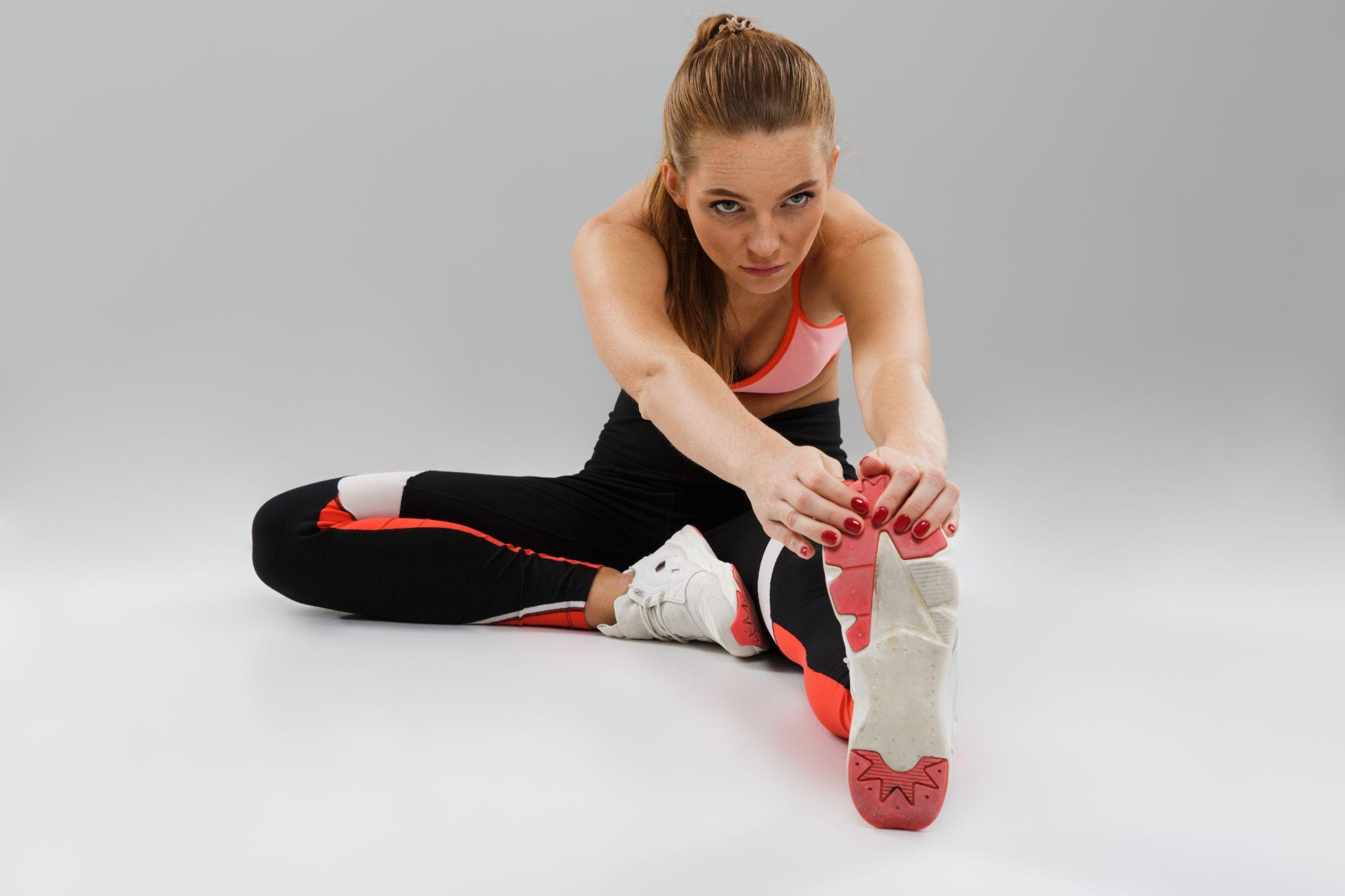
Durable stitching is necessary for garments that endure high-stress movements. Specialized techniques such as flatlock and coverstitch methods are used in compression wear manufacturing. These stitching types not only improve comfort but also provide long-lasting seams that withstand stretching, sweat, and repeated washing.
Reinforced seam placement on high-stress areas, such as shoulders, hips, and inner thighs, helps prolong the life of the garment. Every seam should contribute to both the strength and the performance of the compression piece.
Performance Testing and Quality Control
Before mass production, performance testing ensures that the garment meets its intended purpose. Conducting wear tests, movement simulations, and repeated laundering tests in compression wear manufacturing helps assess stretch recovery, moisture management, and comfort.
Quality control is carried out at multiple stages, checking seam integrity, panel alignment, and grading accuracy. These steps help maintain brand consistency and protect the wearer’s experience.
Adapting Designs for Different Uses
Compression apparel is not limited to athletes. Medical recovery garments, travel wear, and even posture support clothing all benefit from the same manufacturing principles. Manufacturers adapt four-way stretch fabric, muscle support panels, and tight fit grading to fit the needs of different end users while maintaining high production standards.
Brands looking to introduce compression lines should start with clear design specifications that define the intended use and required performance. This ensures that every aspect—from fabric choice to seam construction—supports the garment’s purpose.
Quality Compression Wear Starts with Expert Manufacturing at Lefty Production Co.
At Lefty Production Co., we manufacture children’s wear, women’s wear, and men’s wear in Los Angeles, with advanced capabilities in activewear production. Our team also specialises in swimwear, bikinis, lingerie, athleisure, and athletic wear manufacturing. Over the years, we’ve built a reputation for producing compression garments and performance pieces with precision.
Every garment we produce is held to the same high standards for comfort, durability, and performance, regardless of style or purpose. Whether you’re launching a new line or expanding an existing one, we’re here to guide your project from concept to production. Schedule an appointment or reach out to Lefty Production Co. to begin your next production project.
More News